Secondary Infertility Treatment: 5 Options for Couples
January 15, 2026 | By Dr. Payal Bajaj | IUI Treatment
Learn about secondary infertility treatment options, including lifestyle changes and medical solutions like IUI and IVF. Discover ways couples can improve their chances of conceiving again.
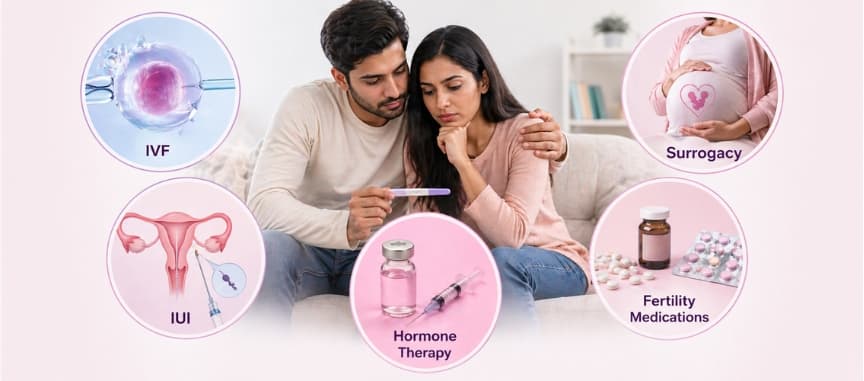
Secondary Infertility Treatment Options for Couples Trying Again
Trying to have a second child and facing difficulties can be confusing and emotionally draining. When a couple has had one child but struggles to conceive again, it is called secondary infertility. It is more common than most people think — and it does not mean something is permanently wrong.
Understanding the cause and learning about available secondary infertility treatment options can make the entire process a great deal easier.
Why Secondary Infertility Occurs
While a couple was able to conceive before, fertility can change over time. Some common reasons include:
Age
Fertility levels decrease over time, especially for women over the age of 35.
Health Changes
New medical conditions or hormonal changes in either partner can affect fertility.
Lifestyle Factors
Weight changes, stress, nutrition, and habits like smoking can all impact fertility levels.
Medical Conditions
PCOS, endometriosis, low sperm count, and similar conditions can develop or worsen over time.
Complications from a Previous Pregnancy
Scarring or infection resulting from childbirth can sometimes affect fertility later.
Starting with Lifestyle Changes
In many cases, improving daily habits can naturally support fertility. The most recommended changes include:
- Eating a balanced diet rich in fruits, vegetables, and whole grains
- Moderate, regular exercise to support hormonal health
- Managing stress through yoga, counseling, or meditation
- Avoiding alcohol and smoking, which affect fertility in both partners
- Maintaining a healthy weight — being overweight or underweight both affect fertility
Secondary Infertility Treatment Options
When lifestyle changes are not enough, medical treatment may be required. Some of the most recommended options include:
- Fertility medications: Clomiphene or Letrozole to stimulate ovulation
- Hormone therapy: To balance progesterone or thyroid levels
- Surgery: To treat blocked fallopian tubes, scar tissue, or endometriosis
- IUI (Intrauterine Insemination): Sperm inserted into the uterus at the time of ovulation
- IVF (In Vitro Fertilization): Eggs fertilized outside the body and then implanted in the uterus
Emotional Support Matters
Secondary infertility can be very stressful and emotionally challenging. Emotional support plays an equally important role during treatment:
- Counseling can ease stress and help you cope with uncertainty
- Support groups — sharing experiences with others in similar situations helps
- Open communication between partners strengthens the journey together
Factors That Influence Success
- The age of both partners
- General health and fitness
- How early the problem is identified and addressed
- Consistency and patience throughout the treatment approach
Final Thoughts
Struggling to conceive a second child can feel deeply frustrating — but it does not mean the situation is hopeless. Many couples have successfully welcomed their second child with the right care, support, and guidance.
Secondary infertility treatment offers multiple paths forward, from simple lifestyle changes to advanced medical interventions. Early recognition, professional support, and patience are the most important tools in this journey. For couples exploring advanced fertility solutions, you can also visit an IVF fertility clinic in Delhi to understand personalized treatment options.
FAQs
1. What is secondary infertility?
It is when a couple faces difficulty conceiving another child, even though they have conceived naturally before.
2. Can lifestyle changes help?
Yes, healthy eating, exercise, stress relief, and avoiding smoking or alcohol can improve fertility.
3. When should we see a doctor?
If you have not conceived within 6–12 months of trying, consulting a fertility specialist is recommended.
4. Is IVF always necessary for secondary infertility?
No, in many cases medication, IUI, or surgery may be sufficient.
5. Does age affect secondary infertility treatment?
Yes, fertility decreases with age — but treatments still offer a very good chance of success.